About THE Host

meet

Shelley Robinson

Multifamily & Proptech Strategist & Practioner, PMX Partners

Shelley Robinson is a seasoned strategist, leader, writer, and speaker specializing in multifamily and property technology (PropTech) solutions. Her expertise lies in helping institutional investors, property management companies, and emerging build-for-rent operators navigate the complex landscape of real estate performance, technology optimization, operational excellence as well as data driven results and outcomes.


As a customer success executive, she has a proven track record of scaling teams and driving results for strategic accounts in the rental market. Her approach combines deep industry knowledge with a keen understanding of SaaS platforms and data-driven decision making to deliver tangible ROI for clients.


Key areas of focus:

PropTech strategies

Multifamily operations optimization

Data intelligence in real estate

Customer success and retention strategies

Grit and growth mindset in leadership


Leveraging her EMBA from Quantic School of Business and Technology, she brings a unique blend of strategic thinking, industry expertise and business acumen to drive innovation and growth in the real estate space. Her mission is to create exceptional customer experiences that foster increased revenue, account retention, and sustainable growth for clients.


As a writer and speaker, she shares insights on cultivating grit and fostering growth in the rapidly evolving PropTech and multifamily sectors. She is passionate about staying at the forefront of industry trends and is always eager to connect with fellow professionals to discuss the future of multifamily real estate and PropTech.


Shelley is also a multifaceted musician, trained in classical piano and voice as well as a professional DJ, producer, and collector of progressive house music. She has a weekly show on Soundcloud, MixCloud and YouTube and considers this her passion project to keep her creativity thriving.


REACH OUT TO ME
Woman wearing glasses and a white shirt, smiling, headshot.

Podcasts

Podcast cover: Shelley Robinson, MBA, for Proptech Pulse. Microphone and wave graphic, “New episode every Sunday.”

Proptech Pulse

Shelley Robinson is a seasoned strategist, leader, writer, and speaker specializing in multifamily and property technology (PropTech) solutions. Her expertise lies in helping institutional investors, property management companies, and emerging build-for-rent operators navigate the complex landscape of real estate performance, technology optimization, operational excellence as well as data driven results and outcomes.

Podcast cover: Shelley Robinson, MBA, for Proptech Pulse. Microphone and wave graphic, “New episode every Sunday.”

purpose built

Shelley Robinson is a seasoned strategist, leader, writer, and speaker specializing in multifamily and property technology (PropTech) solutions. Her expertise lies in helping institutional investors, property management companies, and emerging build-for-rent operators navigate the complex landscape of real estate performance, technology optimization, operational excellence as well as data driven results and outcomes.

Blog & articles

Text overlay reads:
By Shelley Robinson September 22, 2025
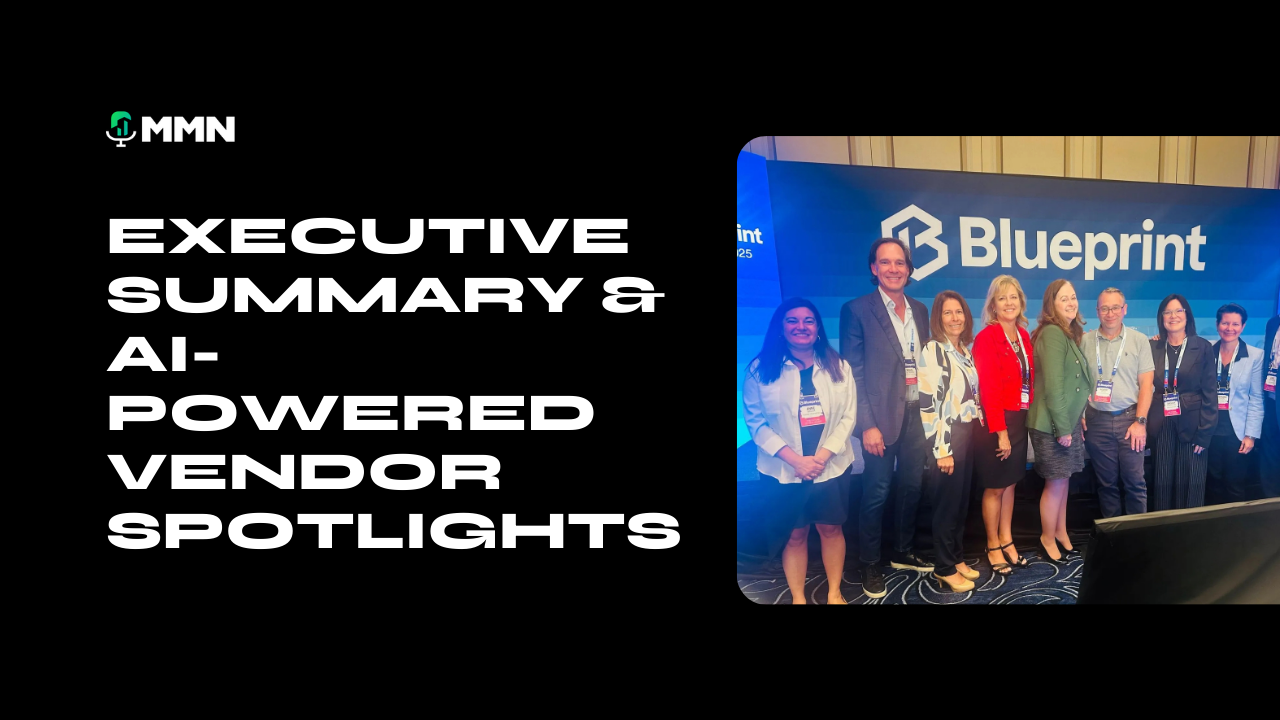
The Blueprint Conference at The Venetian Las Vegas (September 15-18, 2025) marked a transformative moment in proptech's evolution from experimental technology to mission-critical infrastructure. With 3,000+ attendees, 250+ speakers, and 100+ sessions , the event demonstrated how artificial intelligence, strategic capital deployment, and operational centralization are fundamentally reshaping real estate across all verticals. ‍ Key Takeaways: Multifamily operations embracing radical centralization through AI-powered property management AI transformation from buzzword to operational backbone delivering measurable ROI Venture capital pivoting toward disciplined deployment with $615M in January 2025 alone Single-family rentals achieving institutional scale with $40B projected investment over 18 months The conference's emphasis on measurable ROI emerged as the dominant theme, with technology deployments reporting concrete results: AI-powered security systems achieving exceptional occupancy rates, dynamic pricing tools delivering significant revenue increases, and integrated platforms substantially reducing point solutions while meaningfully increasing net operating income per unit. ‍ Shelley Robinson Wednesday roundtable on the "Four Pillars of Proptech ROI" generated significant engagement around our framework: Financial (direct cost savings and revenue generation), Operational (efficiency gains and process optimization), Reputational (competitive differentiation and resident satisfaction), and Future Readiness (scalability and technology adoption). This framework provided attendees with a clear methodology for evaluating and justifying technology investments. Industry Maturation: Moving Beyond the Hype ‍ Blueprint 2025 revealed an industry at an inflection point, where the excitement around AI capabilities meets the pragmatic reality of operational implementation. Throughout the conference corridors and networking sessions, multifamily owners and operators expressed a healthy skepticism that signals market maturation rather than resistance to innovation. ‍ The Trust Imperative: Conversations consistently returned to the need for transparent, verifiable case studies rather than theoretical projections. Operators are demanding proof of performance from existing deployments before committing to large-scale implementations. This represents a positive evolution from early adopter enthusiasm to institutional-grade due diligence. ‍ Strategic Alignment Over Feature Proliferation: The most sophisticated discussions centered on ensuring AI solutions align with specific business objectives rather than adopting technology for technology's sake. Leading operators emphasized the importance of vendor honesty about current AI capabilities versus aspirational roadmaps, fostering partnerships built on realistic expectations and measurable outcomes. ‍ Future-Proofing in a Rapidly Evolving Landscape: The pace of AI advancement creates both opportunity and uncertainty. Forward-thinking organizations are addressing this by prioritizing platform flexibility and integration capabilities over point solutions. The consensus emerged that while individual AI features may evolve quickly, investing in vendors with robust data infrastructure and integration capabilities provides the best foundation for adapting to future innovations. ‍ This thoughtful approach to AI adoption—emphasizing proof over promise and alignment over acceleration—positions the industry for sustainable, value-driven technology integration rather than disruptive churn.
Shelley Robinson of PMX Partners; presentation graphic,
By Shelley Robinson June 19, 2025
The multifamily industry is no longer on the cusp of transformation—it’s in the thick of it. At Apartmentalize 2025 in Las Vegas, the message was loud and clear: the future of property management is intelligent, data-driven, and deeply resident-focused. As technology, resident expectations, and operational pressures converge, one truth has become clear—adapting isn’t optional, it’s mission-critical. These key takeaways reveal how the most innovative operators are rewriting the rules—not just to stay competitive, but to lead with impact. Here’s what’s driving the shift: ‍ 1. The Industry is Experiencing an AI Adoption Surge That's Transforming Operations AI adoption in property management jumped from 21% to 34% in just one year, with companies successfully implementing AI-powered leasing assistants, maintenance optimization, and predictive analytics. The conference showcased that early adopters are already seeing tangible results - users of AI tools report saving an average of 10 hours weekly on tasks while improving response times and resident satisfaction. ‍ 2. Resident Experience Has Evolved Beyond Traditional Service to Outcome-Driven Performance The shift from task-based property management to outcome-driven operations was a major theme. According to the 2025 AppFolio Property Management Benchmark Report, the number one concern property managers face is maintaining high occupancy rates, and companies are responding with technologies that deliver measurable performance improvements rather than just managing tasks. ‍ 3. Sustainability and Technology Integration Are Now Resident Expectations, Not Amenities With 65% of renters actively seeking eco-friendly apartments in 2025 and 48% of renters viewing property technology as indispensable, the conference emphasized that modern residents expect seamless integration of sustainable practices and smart technology as standard living features. ‍ 4. Operational Efficiency Through Data-Driven Decision Making Is Becoming the Competitive Advantage Over three-fourths of multifamily industry experts rank operational efficiencies among their top three challenges, and successful companies are leveraging AI analytics to transform everything from pricing strategies to maintenance scheduling, creating significant cost savings while improving service delivery. ‍ 5. Companies Who Harness, Leverage, and Transform Their Operations Through Rethinking How We Live and Work as Well as Harnessing Meaningful Results-Based AI Will Be Providing Very Different Living and Working Experiences in the Next Two Years in Multifamily and Will Win the NOI and Resident Experience Game The convergence of AI-powered automation, predictive analytics, and resident-centric design is creating a new paradigm in multifamily living. Properties using AI for personalized tenant experiences, dynamic pricing, and proactive maintenance are seeing improved retention rates and operational performance. The companies that embrace this transformation - moving beyond traditional property management to create intelligent, responsive living ecosystems - will differentiate themselves in both financial performance and resident satisfaction over the next 24 months. ‍ These insights from Apartmentalize 2025 aren’t just predictions—they’re a preview of what high-performance property management looks like in real time. The companies leaning into AI, sustainability, and outcome-driven operations aren’t simply keeping up—they’re redefining what success means in multifamily. As we look ahead, one thing is certain: the winners will be those who turn insights into action and technology into transformation. The future isn’t coming—it’s already here, and it showed up in Vegas.
Shelley Robinson, PMX Partners, in front of a title card: Innovation Themes That Dominated RETCON.
By Shelley Robinson March 20, 2025
After attending this year's RETCON conference last week in Las Vegas, it's clear that the real estate industry is undergoing a profound transformation. As I navigated the sessions and engaged in countless conversations between presentations, several key innovation themes emerged that will shape the future of real estate across all sectors. Here's my analysis of what really mattered at this year's premier real estate innovation event. ‍ Cross-Asset Innovation: Breaking Down Silos The most striking observation from RETCON 2025 was the dissolution of traditional boundaries between real estate asset classes. Throughout the conference, speakers and attendees regularly referenced solutions that originated in one sector being adapted for others. ‍ Major institutional investors and property managers shared examples of technologies that are successfully crossing traditional asset class boundaries. We saw demonstrations of predictive maintenance systems from industrial properties being applied to multifamily, hospitality-inspired resident experience platforms showing promising results in apartment communities, and retail customer analytics finding new applications in residential leasing. ‍ This cross-pollination was everywhere at the conference. The message was clear: innovation excellence now transcends traditional real estate categories, and companies that maintain rigid sector-specific approaches risk missing transformative opportunities. ‍ PropTech 3.0: The End of "Optional" Technology If there was one consensus among the attendees at RETCON, it was that property technology has definitively moved from competitive advantage to table stakes. Session after session reinforced how we've progressed from PropTech 1.0 (basic digitization) through PropTech 2.0 (connected systems) into what many industry leaders termed "PropTech 3.0"—where technology is fully integrated into the core value proposition of real estate assets. ‍ This maturation was evident in discussions where major players shared their internal approaches to technology valuation. Multiple speakers confirmed they now include technology infrastructure assessments in their acquisition due diligence, with some acknowledging they had passed on otherwise attractive deals due to inadequate technology implementation that would require significant capital expenditure to remediate. ‍ For multifamily operators, the implications are profound: technology is no longer just an operational consideration—it's fundamentally intertwined with asset value. ‍ The Simplification Imperative: Streamlining the Technology Experience A dominant theme throughout RETCON 2025 was the growing demand for simplified user experiences in property technology. Industry leaders repeatedly emphasized how today's workforce and residents expect the same intuitive interfaces they experience with consumer technologies like Amazon and Domino's Pizza in their property management systems. ‍ Numerous conversations centered around the fatigue caused by complex, outdated interfaces that require extensive training and reduce adoption. Technology providers showcased new approaches focusing on streamlined experiences that require minimal training and maximize user adoption. ‍ This shift reflects a broader recognition that the industry has accumulated too many heavy, disconnected systems that frustrate users and create inefficiencies rather than solving them. The emphasis has shifted from feature proliferation to thoughtful design that prioritizes the most common use cases and makes them effortless to execute. ‍ The Amazon/Domino's Pizza analogy came up repeatedly—the idea that users should be able to complete complex processes with just a few taps, with the technology handling all the complexity behind a simple interface. For multifamily operators, this trend represents both a challenge to existing systems and an opportunity to significantly improve staff productivity through more intuitive tools. ‍ New Capital Partnerships: Evolving Funding Models The financial architecture supporting real estate innovation showed significant evolution at RETCON 2025. Beyond traditional venture capital, the conference highlighted alternative funding approaches gaining traction. ‍ Corporate venture arms from established real estate companies now account for a significant and growing portion of PropTech funding. These strategic investors bring not just capital but also industry expertise and pilot opportunities that pure financial investors can't match. ‍ Particularly interesting were discussions around emerging partnership models, where technology providers shared examples of accepting equity in development projects in lieu of traditional fees, aligning their incentives directly with property performance rather than just software licensing. ‍ Multiple conversations also touched on how public-private partnerships are blending municipal resources with private capital to address affordable housing challenges through technology-enabled approaches. ‍ For multifamily operators, these evolving capital structures create opportunities to access technology through more flexible arrangements beyond traditional vendor relationships—potentially reducing upfront costs while creating more aligned long-term partnerships. ‍ Ecosystem Collaboration: The Power of Together The structure of RETCON 2025 itself reinforced the conference's most important theme: the necessity of collaboration across the entire real estate ecosystem. Unlike more siloed industry events, this year's programming brought together diverse stakeholders in productive discussions. ‍ The results were evident in both formal sessions and hallway conversations, where the most productive discussions featured diverse participants: developers articulating specific challenges, technology providers proposing solutions, and capital partners outlining funding criteria—all in the same conversation. ‍ For the multifamily sector, this collaborative mindset represents both an opportunity and a challenge: operators accustomed to vendor-style relationships must adapt to more partnership-oriented approaches, while gaining the benefit of solutions built specifically for their needs rather than adapted after the fact. ‍ Looking Ahead: What RETCON 2025 Means for Multifamily As I reflect on my experience at RETCON 2025, several implications emerge specifically for multifamily operators: Integration will triumph over point solutions . The most successful operators at the conference have moved beyond the "app for everything" approach toward unified platforms that share data seamlessly. Resident experience has become quantifiable . Discussions presented more sophisticated approaches for measuring and valuing resident experience, moving this previously subjective factor into the realm of financial analysis. Operational efficiency and resident experience are no longer at odds . The false dichotomy between these priorities has dissolved, with the most compelling innovations demonstrating how technology can simultaneously improve operations while enhancing resident experiences. Data has become a strategic asset . Leading operators are now treating operational and resident data as a proprietary advantage, with significant attention devoted to extracting actionable insights from previously underutilized information. Simplicity is winning over complexity . The operators gaining the most traction are those providing Amazon-like simplicity in their technology interfaces, making complex processes feel effortless for both staff and residents.  The energy and attendance at RETCON 2025 confirmed that despite economic headwinds, innovation remains a central priority for the real estate industry. For multifamily operators specifically, the conference highlighted both the risks of technological complacency and the rewards awaiting those who embrace thoughtful innovation. ‍ As the industry returns to implementation in the real world, the true test will be translating the inspiring conversations of RETCON into tangible results for properties, staff, and residents in the months ahead. This article was produced by Multifamily Media Network as part of our coverage of RETCON 2025. For more insights from the conference and ongoing analysis of emerging trends in real estate innovation, visit multifamilymedia.net.
Shelley Robinson in front of text
By Shelley Robinson March 20, 2025
The AI Evolution: Moving From Implementation to Experience ‍ AI was undoubtedly center stage at RETCON this year, with numerous sessions highlighting its transformative potential. In candid conversations with industry leaders, many acknowledged we're still in the early phases of truly integrating AI into meaningful resident and staff experiences. ‍ Technology leaders shared how they're working through the initial implementation challenges toward more sophisticated applications. Operations professionals repeatedly emphasized the importance of creating systems that blend technological capabilities with genuine human connection. ‍ There's an underlying current of excitement about determining the next operating model – how people will work in the next 5 years with AI enhancing staff workflows and resident experience. This represents perhaps the most significant opportunity in today's multifamily technology landscape: creating AI systems that feel genuinely helpful rather than merely efficient. ‍ The companies generating the most interest at RETCON were those designing systems that understand context, recognize patterns in human behavior, and adapt to individual preferences over time. Ultimately, there's tremendous opportunity for proptech companies that focus on high-value service delivery, human connection, and freeing staff from mundane tasks to focus on meaningful interactions. ‍ Role Evolution: Transformation Rather Than Replacement One of the most encouraging themes from RETCON emerged in smaller group discussions, where success stories centered not on reducing staff but on elevating existing talent to more meaningful work. This approach represents a positive shift from earlier technology narratives. ‍ Multiple management companies shared that their most successful technology implementations were those that enhanced their team members' capabilities rather than attempted to replace them. One operations director described how their technology investment evolved from a staff reduction strategy into a role transformation initiative with compelling results: reduced turnover, increased resident satisfaction, and improved NOI. ‍ The key insight was reimagining traditional roles: Leasing agents becoming community-focused, spending more time on meaningful resident interactions rather than paperwork Maintenance staff shifting toward preventative approaches rather than just reactive repairs Property managers focusing more on community building and less on administrative tasks This mindset shift—from technology as replacement to technology as enhancement—represents a significant opportunity for the industry moving forward. ‍ Resident Empowerment: Building Community Through Participation One of the most intriguing trends discussed at RETCON was the emergence of resident-driven operations models enabled by purpose-built technology platforms. ‍ Several forward-thinking operators shared their early experiments with creating digital frameworks that allow residents to take on various community roles and offer "side hustle" on-site services: Experienced residents helping newcomers navigate their first weeks Residents organizing social gatherings through property platforms Residents assisting with vendor management Residents offering services to neighbors – concierge services, dog walking, pet sitting, errands, meal preparation, administrative support and more "We're essentially creating a micro service economy within our communities," as one operator explained. Residents gain flexible income opportunities without commuting, properties enhance their service offerings, and communities develop more authentic connections. ‍ This merger of the service economy with residential communities represents an exciting frontier with tremendous potential for enhancing both resident satisfaction and property performance. ‍ The Simplification Imperative: The Amazon/Domino's Effect While vendors at RETCON 2025 showcased feature-rich platforms, conversations with property professionals consistently highlighted a different priority: the need for simplification and modern user experiences. ‍ Many technology leaders expressed a desire for more streamlined, interconnected systems with intuitive interfaces. The comparison to consumer technology came up repeatedly: "Our residents can track a pizza delivery in real-time with Domino's and order almost anything with one click on Amazon, but our staff needs multiple logins and numerous clicks to process basic transactions." ‍ With a younger workforce increasingly expecting intuitive, mobile-first experiences, the opportunity to bridge this experience gap is substantial. The most compelling approaches at RETCON came from companies embracing consumer technology design principles—building streamlined tools with minimal learning curves that integrate seamlessly with existing systems. ‍ As one operator succinctly put it: "We're not looking for more features; we're looking for fewer clicks." This focus on user experience represents a significant opportunity for companies willing to prioritize simplicity over feature proliferation. ‍ Emerging Considerations: Future Focus Areas Several important considerations emerged during RETCON 2025 that will likely gain greater prominence in future industry conversations: ‍ Responsible AI Development As AI systems become increasingly integral to residential operations, thoughtful conversations around implementation best practices are beginning to emerge. Forward-thinking operators and technology providers recognized the importance of considering multiple perspectives when deploying systems that impact resident living experiences. ‍ With AI increasingly influencing aspects of residential life—from communication to maintenance to amenity access—creating balanced, transparent approaches will become increasingly important. ‍ Broader Market Solutions While luxury properties and Class A assets received significant attention, there's growing recognition of the opportunity to develop technology solutions for workforce housing, affordable developments, and middle-market communities where most Americans actually live. ‍ Some of the most innovative companies at RETCON were specifically focusing on these underserved segments, creating solutions that deliver immediate operational value for properties operating with tighter margins. ‍ Integration Advancements Integration between different property technology systems remains a significant challenge and opportunity. While the industry hasn't yet developed comprehensive standards for data exchange, API frameworks, and interoperability, there's increasing awareness of the need for more collaborative approaches. ‍ Several technology providers demonstrated promising solutions for connecting disparate systems, suggesting momentum toward more seamless technology ecosystems. ‍ Data Governance Approaches As properties collect increasingly detailed information about resident behaviors, preferences, and patterns, thoughtful approaches to data governance are becoming more important. Several forward-thinking operators and technology providers discussed their approaches to responsible data usage and management. ‍ Developing comprehensive frameworks for data governance represents both a responsibility and an opportunity for industry leadership. ‍ Looking Forward: The Path of Opportunity As I reflect on RETCON 2025, I'm inspired by the innovative approaches and thoughtful discussions happening throughout the industry. The most valuable takeaways weren't necessarily found in the technologies prominently displayed, but in the emerging opportunities identified through countless conversations with industry leaders. ‍ The multifamily operators positioned for success in the coming years will be those who recognize these opportunities: creating truly experiential AI, evolving roles rather than eliminating them, empowering residents as active participants, and embracing radical simplification. ‍ While the industry collectively embraces an AI-enhanced, amenity-rich future, the true differentiators may well be the companies that focus on fundamental questions: What makes residents feel truly at home? How can technology enhance human connection? How do we create experiences as simple and satisfying as ordering from Amazon or tracking a Domino's pizza? And how might we build communities that people love rather than just buildings that people lease? ‍ These questions, more than any particular technology showcased at RETCON 2025, will guide the next wave of successful innovation in multifamily real estate. ‍ This article was produced by Multifamily Media Network as part of our coverage of RETCON 2025. The perspectives shared are based on conversations with industry participants and do not necessarily reflect the official positions of conference organizers or presenters.

Shelley Robinson of PMX Partners; Proptech Pulse title card; woman in glasses, white shirt; green and black background.
By Shelley Robinson September 30, 2024
As I sit down to reflect on my recent experience at the Blueprint Conference, I'm filled with a sense of excitement and gratitude. Thanks to an invitation and ticket from the Multifamily Media Network, I had the opportunity to dive deep into the world of PropTech and connect with some of the industry's most innovative minds. This blog post is a special edition to coincide with the upcoming release of my podcast, "PropTech Pulse," on the Multifamily Media Network, scheduled to launch in early November. PropTech Takes Center Stage The Blueprint Conference proved to be a hotbed of PropTech innovation, with several key themes emerging throughout the event: Optimizing Centralization: A major focus was on streamlining operations and creating more efficient, centralized systems for property management and real estate operations. AI Revolution: Artificial Intelligence was at the forefront of many discussions, with new applications being developed to revolutionize various aspects of the real estate industry. Data-Driven Insights: The power of data analytics in making informed decisions was a recurring topic, highlighting the industry's shift towards more data-centric approaches. Venture Capital Activity: The conference buzzed with VC activity, indicating strong investor interest in PropTech solutions and the potential for significant growth in this sector. These themes underscore the rapid evolution of technology in the real estate space and its potential to reshape the industry landscape. Among the many exciting companies emerging in the PropTech space, two stood out with their innovative solutions: - HIO : This company is tackling a crucial pain point for property teams with their real-time AI text solution for "on-demand policy help." Imagine a scenario where a new leasing consultant is working on a Saturday when the manager is off. With HIO's technology, they can instantly access answers to questions about lease agreements, policies, procedures, and more. It's a game-changer for maintaining consistent, high-quality service even with less experienced staff on duty. - Clever.AI : Addressing the affordable housing crisis, Clever.AI is harnessing the power of AI to accelerate the approval process for state land use dedicated to affordable housing. This innovative approach has the potential to significantly impact one of the most pressing issues in real estate today. I'm thrilled to announce that the founder of Clever.AI will be my first guest on "PropTech Pulse" - so stay tuned for an in-depth discussion on this groundbreaking technology! Connections That Inspire While the technology was impressive, it was the people I met that truly made the Blueprint Conference an unforgettable experience. I had the privilege of connecting with a group of incredibly talented women entrepreneurs who embodied the spirit of "serving it forward." Their warmth, support, and genuine interest in my journey of personal and professional growth left a lasting impression. Special shoutouts to Elizabeth Braman , CCIM, Naomi Marquez, Jennifer Carter, MBA, Suzanne Hopson, Jen Finn , Cecilia Castillo Cossio , and Sharon Cauthen . These amazing individuals not only shared their insights but also created an environment where we could laugh, relate, and be authentically vulnerable together. It's clear that these connections will evolve into lifelong industry friendships. A "Secret" Revelation In an exciting turn of events, I'm thrilled to announce that I've been inducted into the "Secret" book club with Paul Marks. This exclusive group promises to be a source of further learning and connection within the industry. The PropTech Pulse As I prepare to launch my podcast "PropTech Pulse" in early November, I can't help but feel energized by the experiences and insights gained at the Blueprint Conference. The convergence of technology and real estate is creating unprecedented opportunities, and I'm excited to explore these topics further in upcoming episodes. The Blueprint Conference served as a powerful reminder of the importance of both technological innovation and human connection in driving the real estate industry forward. As we continue to navigate this rapidly evolving landscape, it's clear that success will come not just from adopting new technologies, but also from fostering meaningful relationships and collaborations within our industry. Stay tuned for more insights and discussions on "PropTech Pulse," where we'll dive deeper into the technologies, trends, and people shaping the future of real estate. Don't miss our launch in early November, featuring an exclusive interview with the founder of Clever.AI !